
Explainer: the word sermon means “a discourse for the purpose of religious instruction or exhortation, especially one based on a Scripture and delivered by a member of clergy as part of a religious service; any serious speech, discourse, or exhortation, especially on a moral issue.”
We all had to read Shakespeare during the latter years of our basic education. (Wait. Scratch that. I read the opposing pages that explained all the obscure, olde English text. Then I would proceed to read the actual play.) I did not enjoy most of Shakespeare’s plays. Not Romeo and Juliet and their annoying teen angst and pathological “love you to death in three days or less” timeline. Not Macbeth, and his losing his ill-gotten throne to a dude “not of woman borne”. Midsommer Night’s Dream was really trippy. I tried to watch Hamlet once. Not a successful venture.
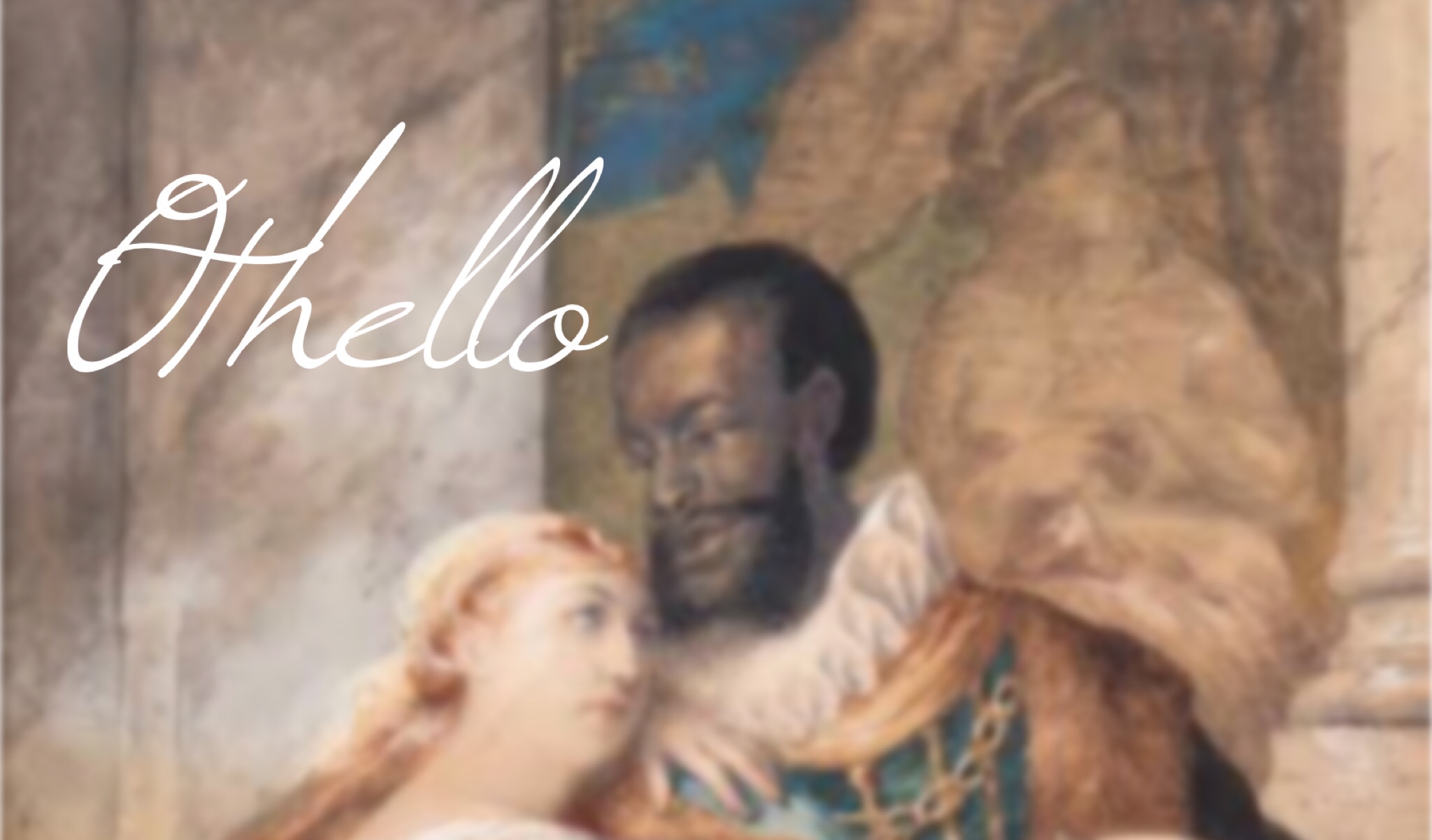
The only Shakespearean tragedy I could rock with was Othello. At first, it was because of the cunning villain of the play. As I grew older, I noticed something else. Whether he intended to or not, Shakespeare was straight preachin’ with this play. Yes, there are some risqué bits in the dialogue. But there are also interesting bits in the OT, so there’s that.
Back to our story.
For those unfamiliar with the play, Othello was a Moorish brutha, who was a general in the Venetian army. Now, the Moors were a group of dark-skinned Muslim people, initially of the Maghreb, who had a significant ruling presence in Spain and Italy during the Middle Ages. Historians disagree on whether or not they were a homogeneous group of Africans, with some arguing that the term included dark-skinned Indian and Arab Muslims. Shakespeare’s Othello has traditionally been played (mostly in blackface, problematically) as a dark African.
Othello, as we meet him, is painted as noble and disciplined, albeit simultaneously being described as ‘The Other’ because of his skin. He is the hero of his own story, and our hearts. At least, until Act III. By the end of our tale, he is a murderer. Of his own wife Desdemona.
His downward spiral was orchestrated and set into motion by his “trusted” right hand man, Iago.
Iago was the character that caught my attention so many years ago. He is the quintessential villain, a master of insinuations, half-truths, and straight-up lies. A man who whispers words laced with poison, while presenting himself as a friend. (Kind of like another ancient adversary Scripture mentions.) I was, and still am, in awe of how he would say a few throw-away words, then stand back and watch as others acted to unfold this tragedy.
Fueled by bitterness over not being promoted by Othello, he absolutely destroyed Othello in the most cunning way possible, and takes down a few other people for good measure.
Even though Iago is a brilliant, if slightly exaggerated villain, he did not act alone. He was evil, certainly. I mean, he stabbed his own wife Emilia at the end, for figuring out and revealing his plot to Othello.
In my mind, Iago’s plans would not have come to fruition if not for a crucial ingredient: Othello’s insecurities. Othello, despite being a man of rank and prestige, still felt his own otherness. His father-in-law’s main objection to Othello and Desdemona’s marriage was Othello’s blackness. And he let Othello know this. A few times. Add to that: side characters constantly referencing The Melanin in derogatory terms throughout the play. We can be sure that Old Dude knew he wasn’t really “one of them”.
Iago must have known this, too. He used that insecurity against our brother O.
Brothers and sisters, I put it to you that Othello was complicit in his own destruction. He never before dealt with his insecurity. He did not have a sense of his own equal value as a human being. Deep down, he was already ripe for doubting Desdemona’s devotion, long before Iago came along.
Despite outwardly accepting Desdemona’s love and marrying her, that shadow of doubt remained, like he has somehow fraudulently obtained the good in his life. (Good olde imposter syndrome.) A few words of insinuation from Iago, and Othello’s entire spine crumbled.
He transformed into a jealous, raging brute (what they’d been calling him behind his back), questioning Desdemona’s infidelity. He then carried out that final act that earned him his spot in the penitentiary: he smothered his wife to death, for her non-existent crimes towards him.
(And can we talk about how Desdemona really got a rough deal?)
Ain’t that exactly how the enemy of our souls does it sometimes? He feeds us lies and half-truths, and then stands back to watch us sabotage and destroy lives.
It may be an addiction we think we can’t shake, forgetting that Christ died to set us free.
Or a deep-seated relational distrust that becomes self-fulfilling.
Or we believe that we’re not [insert own insecurity] enough.
And so, we live as though we have nothing to add to those around us. When good gifts come, we look for the loophole; the reason why it will all fall apart. When we don’t see a reason, we create one. We live ever beset and defeated by sin. Then we pass on our dysfunction to our children.
Fam, we need to know who we are in Christ. That includes knowing who we no longer are. The book of Romans, chapter six, verse six says: “We know that our old sinful selves were crucified with Christ so that sin might lose its power in our lives. We are no longer slaves to sin.” (New Living Translation).
If we have a shaky sense of identity, then we becoming ripe for all kinds of havoc and mess.
Let us stand for the benediction:
- May all Iagos be kept from your door.
- May truth always triumph over the lies of thee enemy in your life.
- May the Lord grant you discernment to separate falsehood from truth.
- May all Iagos be kept from your door.
Amen saints.
 The Treasure Chest Blog
Leave a comment