
 There have been a few moments in my life that have caused my soul to rejoice in all its Africanness.
One moment was when, in the death throes of my time in Cape Town (late-2016 to you), I happened to stumble upon the broadcast of the recording of the Mmuso album by We Will Worship. Attending predominantly ‘multi-melanin-level’ churches, I had forgotten how beautiful it is when we worship in our African languages. The haunting sounds of guest vocalist Bongeziwe Mabandla filled my apartment that day, giving my African soul permission to be; to worship. (Actually, my whole time in the Western Cape did wonders for my appreciation of my heritage. Maybe I’ll share those stories some time. Maybe I have to wait for a couple of people to exit this Earth before I do so…)
The second time is not a single time, but rather anytime I see beautiful natural hair, or a vibrant “African” print (yes, I know most wax prints come from Germany or the Netherlands, but we have ap.pro.pri.a.ted. It’s ours now).
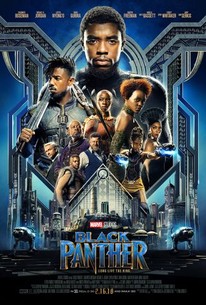
Added enduringly to this list is now Black Panther, the Marvel movie. Yes, I watched it. Yes, I was extra while viewing. Yes, I’m going to add to the hype. The movie was amazing and [add your own superlative]. (Disclaimer: I am a Marvel fan, and was bound to like this movie anyway. I even have my own little collection going on). However, this ain’t your auntie’s movie review. There are plenty of those flooding the blogosphere. Rather, this is my attempt to make sense of what we as the black community are feeling. There were so many layers to unpack, and I’m sure subsequent viewings will bring up more emotions within. I am taking this moment to reflect and record, that we might remember this uplifting moment. So, here follow the reasons I truly dug Black Panther:
- ALL. THAT. MELANIN. Golden brown, dark chocolate, vibrant, luminous melanin. Deep dark melanin filling my screen. I walked out of that cinema wanting to book a tanning session, as I too want that deep dark complexion. Seldom (note I say seldom, not never) do we come across such cinematic representation of Africa and the diaspora. The scale of this melanin, though!
- That Xhosa! In our country, there is a lot of delineation across tribal lines. Usually, even I am at pains to ensure that it is understood I am a Zulu-speaking Shangaan. But when I heard isiXhosa being spoken by Xhosa people in an international movie, was I not yelling “Ewe, kaloku!” with the rest of the cinema. Like a true South African. Because we extra.
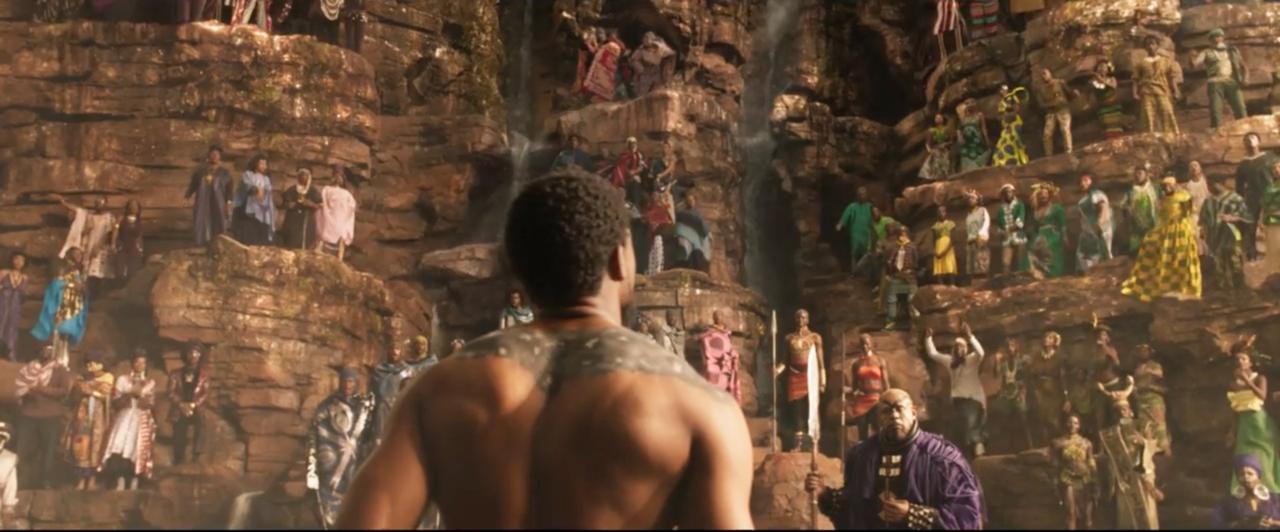
- The costume designer. Give that lady a Bell’s. She managed to pull together all four corners of the African continent, and give us this gorgeous Pan-African style fest. No one culture was given higher honour, from what I could see. Rather, we beheld men in Basotho blankets next to warrior women in Maasai-inspired gear, next to elderly ladies dressed in the rich indigo of the Tuareg. African Union, I hope y’all are paying attention. Speaking of those warrior women…
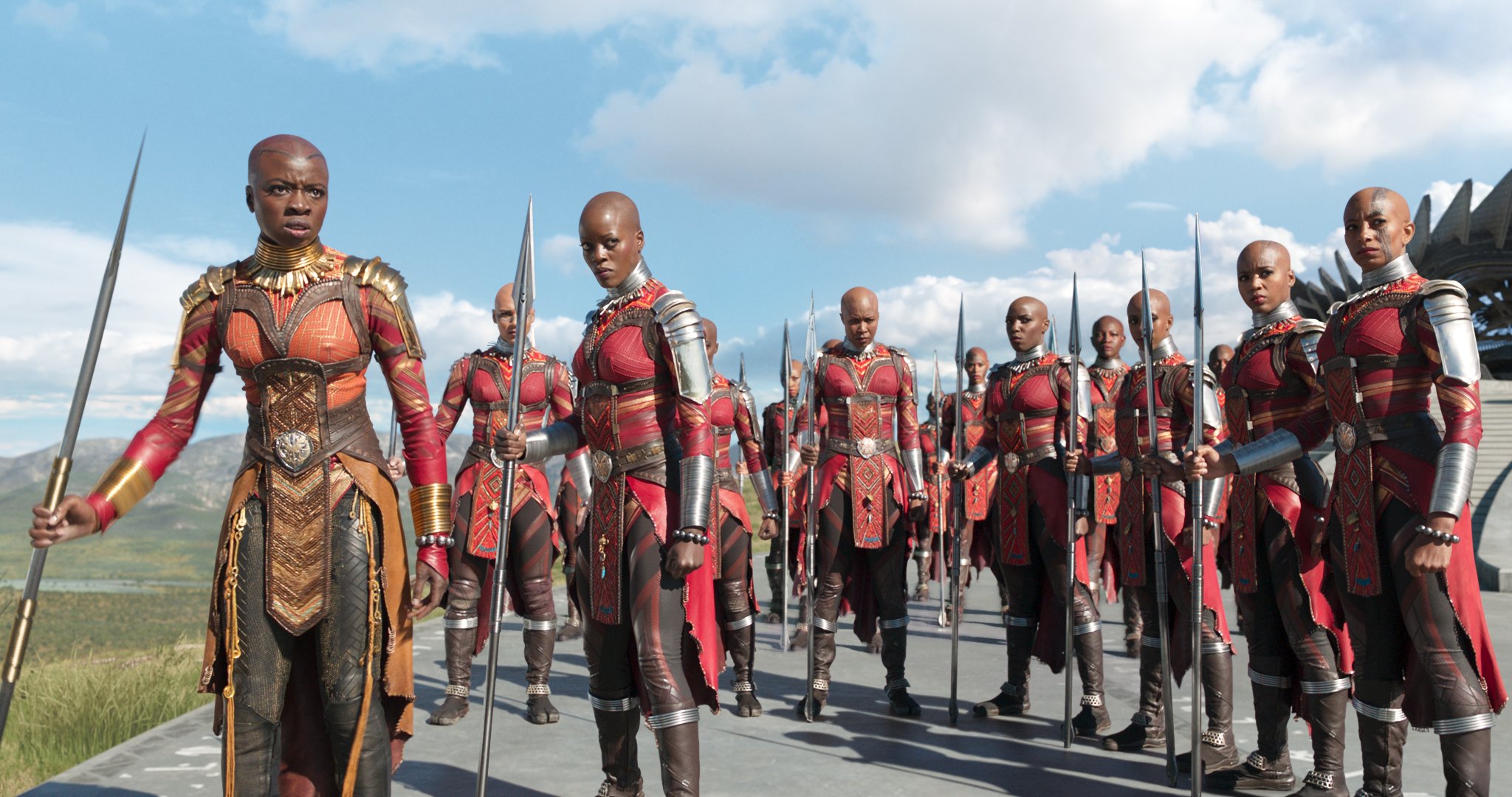
- Y’all knew it was coming. As a black woman, how could I not comment on the Dora Milaje? Impossible! When we speak of how artistic representation matters, the most important part of it, for me, is the women. That army is every strong black woman I have ever known. These women (and my real-life ones) are clothed in strength and dignity (Prov 31: 25). They understand that there is a time and place for sentimentality, but not before the work is done. They exemplify tenacity and fierce loyalty. All this fierceness and strength is intimidating to many. It is sometimes discouraged, but it is these very qualities that make us the protectors of families. We are the ones you want next to you in the battle of this life. The greatest gift this movie gave to me was the reassurance that these qualities are not only good, but also to the benefit of our families and communities. For once, women were celebrated and not sexualised. An entire new generation of young black girls now has at least one cinematic example of dignified feminine strength.
The only downside to this viewing experience was the end, when I had to extricate myself from the Wonderful World of Wakanda, and go back to my ordinary life. It took me a few days to stop basking in the afterglow of the wonder, and to accept my life as it is. Alas.
As a nod to the fact that this is technically a ‘movie review’, I guess I have to say some things traditionally found in a real movie review. I can’t tell you about camera-angles and what-not, but the cinematography was dazzling. The storyline held my attention. The accents, eish (but shout-out to Andy Serkis’s Afrikaans accent). The dialogue was fall-out-of-my-seat hilarious. Is the movie flawed? I’m sure it is; I’ll have to watch it a second time to do any further analysis justice. Will it end up in my DVD collection? Do you even need to ask?
Others have, of course, put forth their own analyses. One such well-considered essay is by Greg Morse of desiringGod.com, titled “At Home in Wakanda”. Also, it is worthwhile watching Joseph Solomon’s “A Christian’s opinion on Black Panther” on YouTube. There are many other YouTubers with better articulations on why representation matters, if you want different perspectives on the raging debate.
Whew. That’s all I have to say on that…for now. Have you seen Black Panther? What was your take on the movie? Let a sister know.
All the images in this blogpost are owned by Marvel Studios, I guess. Don’t come for me!
Copyright reserved Gugulethu Mhlanga 2018


 The Treasure Chest Blog
Leave a reply to LG Cancel reply